Range
Products at a glance2
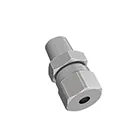
Diaphragm pressure display
Diaphragm mechanism for precise and reliable pressure measurement. Ideal for applications with subtle pressure changes and low hysteresis.
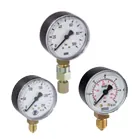
Manometer (pressure gauge)
Various connection types, operating pressure range 0-600 bar. Robust housing and clear scaling for industrial applications.
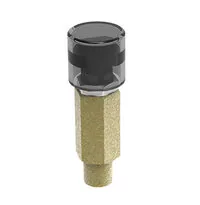
Overpressure indicator
Opens a needle seal when the set pressure is exceeded and releases oil so that the progressive distributor cannot block. Resets automatically.
Technology
Technical data and selection
Pressure indicators are the only components in a lubrication system that give information without power and without a controller. The three devices on this page have three different jobs and are regularly confused in practice: the gauge measures continuously, the diaphragm indicator reports one event and keeps the report, the overpressure indicator intervenes.
| Device | Pressure | Connection | Feature |
|---|---|---|---|
| Pressure gauge | 0–600 bar | 1/8″ · 1/4″ · 3/8″ BSP · 1/8″ NPT | case DN 43/50/63/100 · standard or glycerine |
| Diaphragm pressure indicator | 30 · 50 · 100 · 150 · 200 · 250 bar | 1/8″ BSP | burst disc, height 28.36 mm, AF 14 |
| Overpressure indicator | up to 380 bar | 1/8″ BSP | needle seal opens, height 49–55 mm, AF 13 |
Source: DropsA manufacturer data, retrieved 31 July 2026 – Manometer · Membrandruckanzeige · Überdruckanzeige. The figures in the respective datasheet are binding.
The difference that matters
The diaphragm indicator works with a burst disc: exceed the set pressure and the diaphragm ruptures, showing it permanently. It is therefore an event record — inspect the plant hours later and you can still see that an overpressure occurred. After it has tripped only the diaphragm is replaced, not the device; DropsA lists the spare diaphragms under their own part numbers (3189102 to 3189105 for 100 to 250 bar).
The overpressure indicator does the opposite: on exceeding the threshold a needle seal opens and releases oil so the progressive divider does not block. Once pressure falls below the alarm level the device resets itself. It protects the system — but leaves no lasting trace.
Hence the sensible combination: the overpressure indicator prevents the damage, the diaphragm indicator proves it nearly happened, and the gauge shows the instantaneous value during maintenance. To report the event to the controller as well, a pressure switch is needed.
Gauges: glycerine filling is not a trim option
The glycerine version damps the pointer. On a lubrication system with a cycling pump a dry gauge oscillates on every stroke, which makes it hard to read and stresses the movement. Where the pump delivers continuously, the standard version is sufficient.
Case size governs readability, not accuracy: DN 43 for mounting directly on the unit, DN 100 where it has to be read from several metres away. The material note — copper alloy in the wetted parts — is the actual limit of use: for media that attack copper alloys this gauge is not suitable.
Looking for the right product?
We support you with selection, design and quotation – oil & grease, for every application.