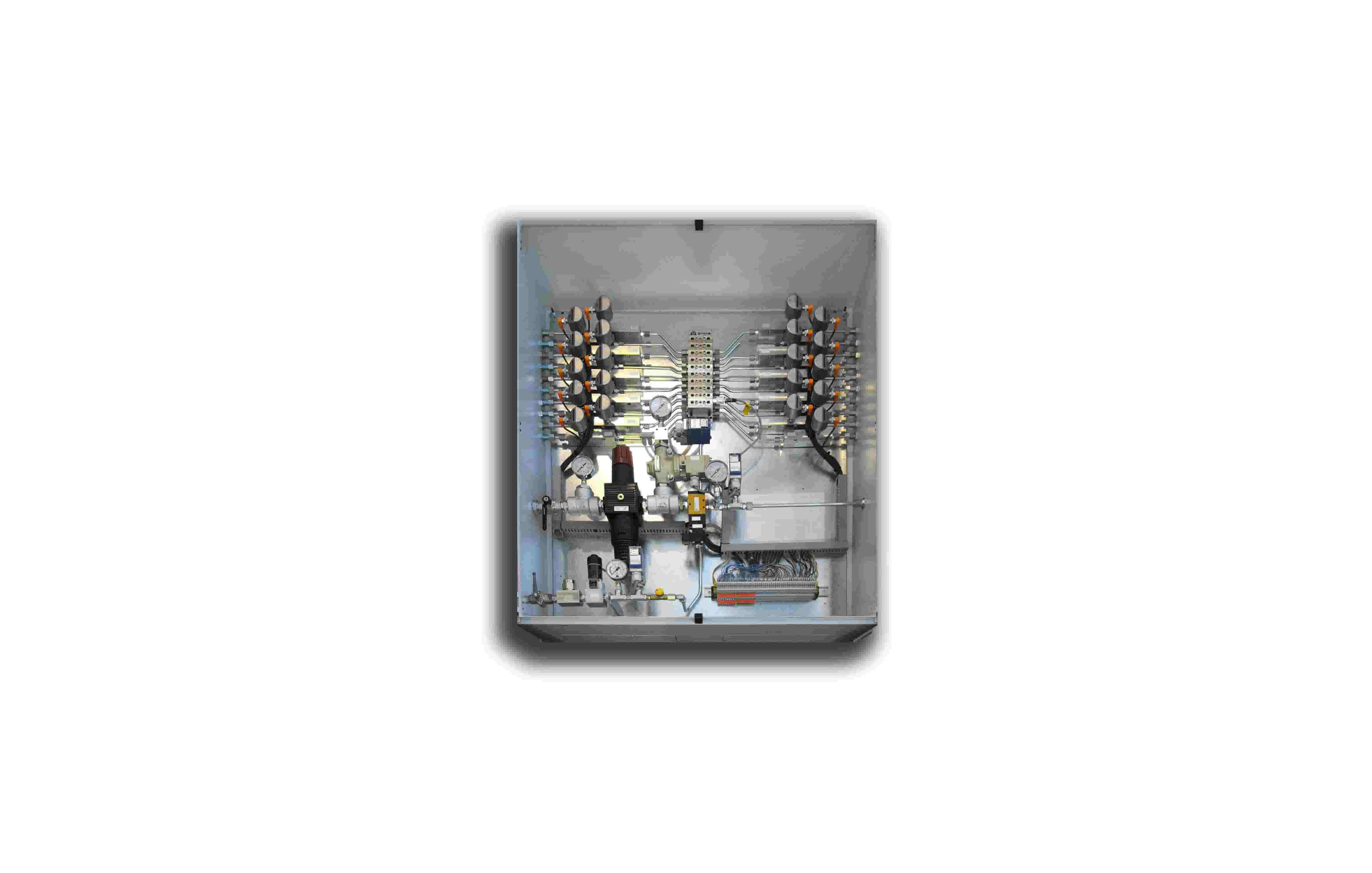
With a structured approach, most disruptions can be quickly isolated. Here are the most important check points, typical causes and measures.
1) Printing problems
- Symptom: Pressure too low/drop
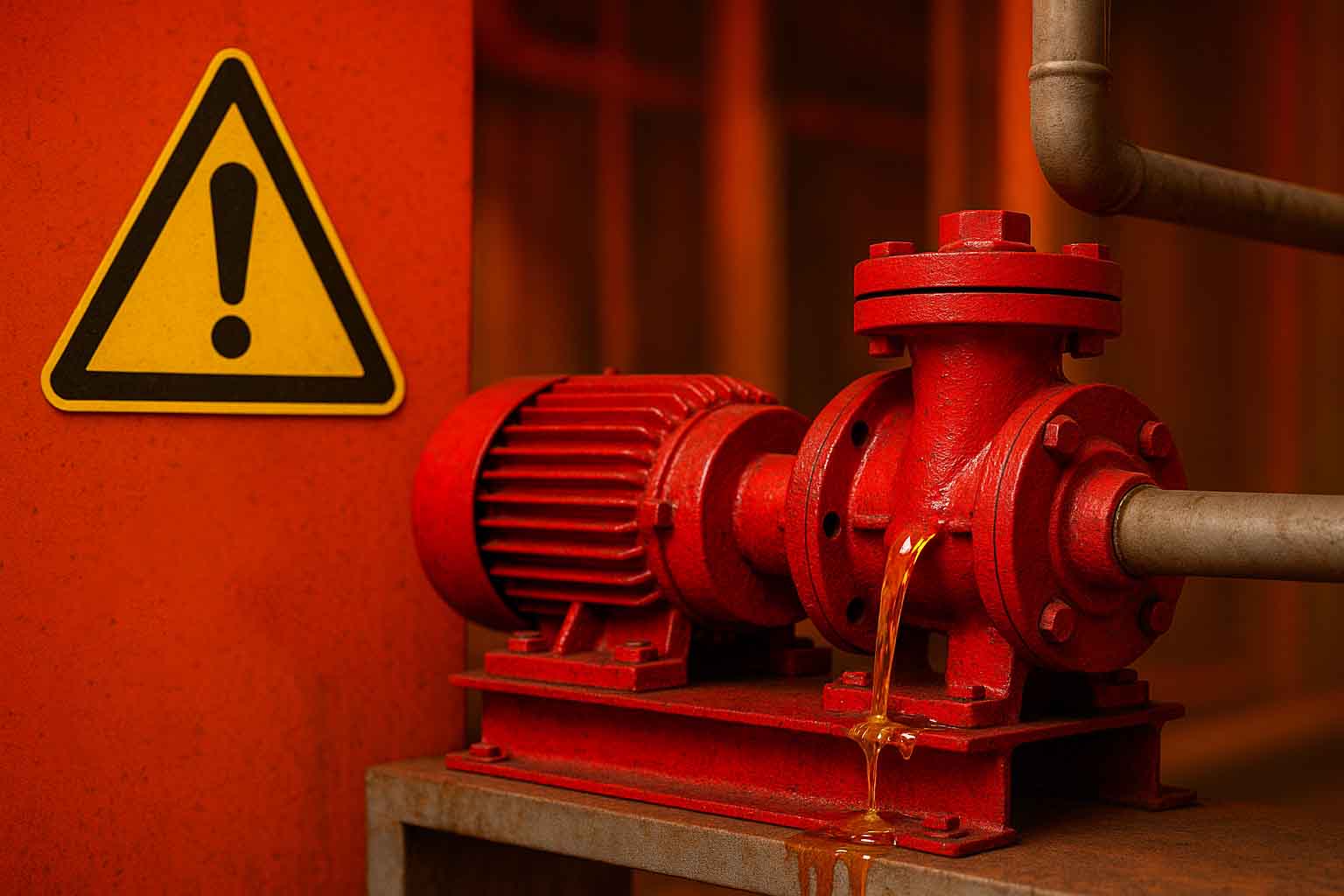
- Causes: Leakage, air in the system, clogged filter, pump wear
- Measures: Check for leaks/venting, change filters, test pump/drive, verify limit values in HMI/PLC
2) Stroke/Cycle Error (Progressive)
- Symptom: Hub sensor reports no/incorrect cycles
- Causes: Blockage at the distributor, air, sensor/cable problem
- Measures: Clean/inspect, test sensor wiring, replace dispenser
3) Implausible flow
- Symptom: Flow too high/low
- Causes: Air entry, viscosity deviation (temperature), miscalibration
- Measures: Bleed, check medium/temperature, calibrate sensor
Limit values & messages
- Set OK/Warning/Alarm per measured value (pressure/stroke/flow)
- time window for start/stop & define messages
- Visualize trends in HMI/PLC → early detection
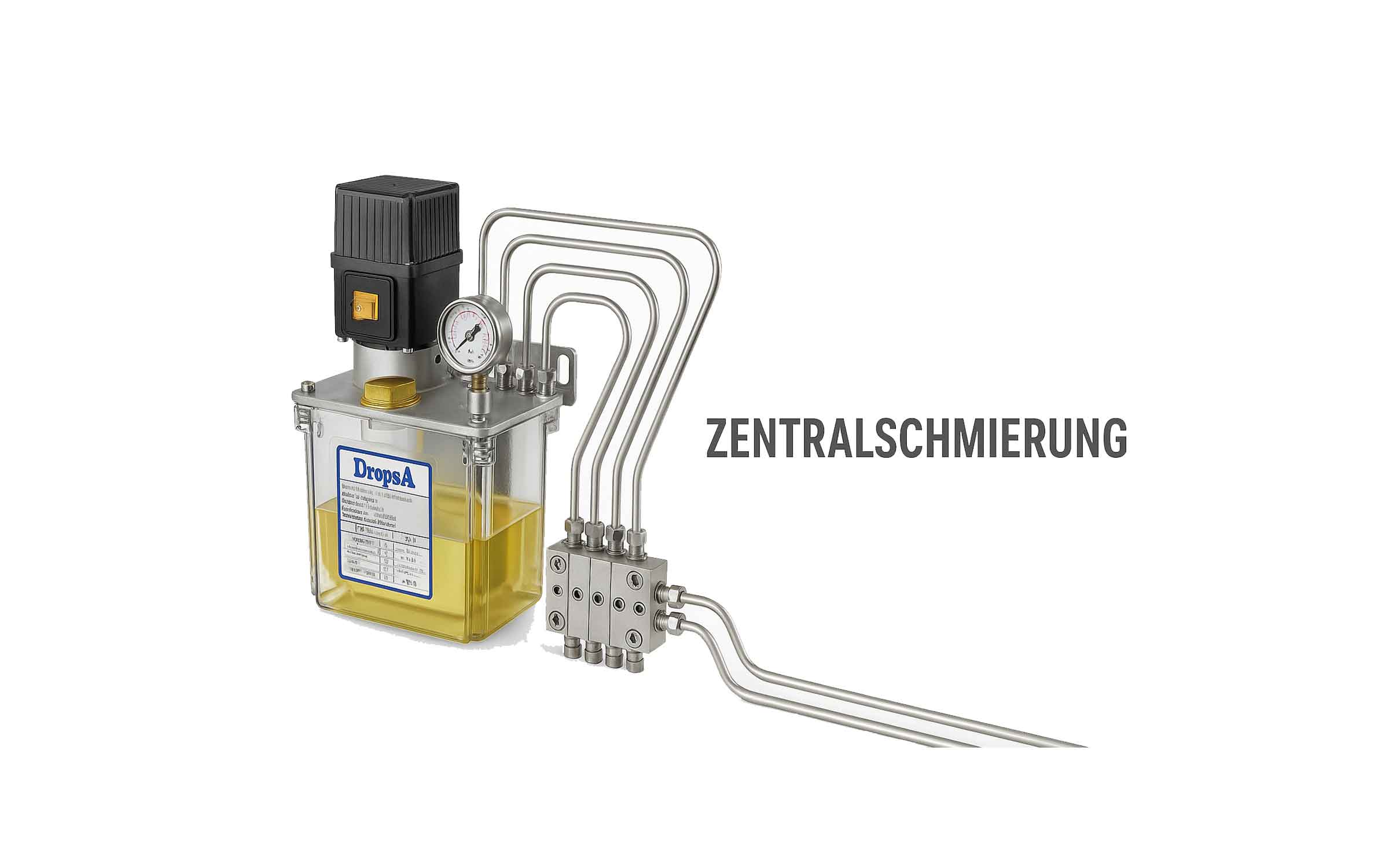
More basics: Central lubrication è Components: Control & monitoring è Help: Contact