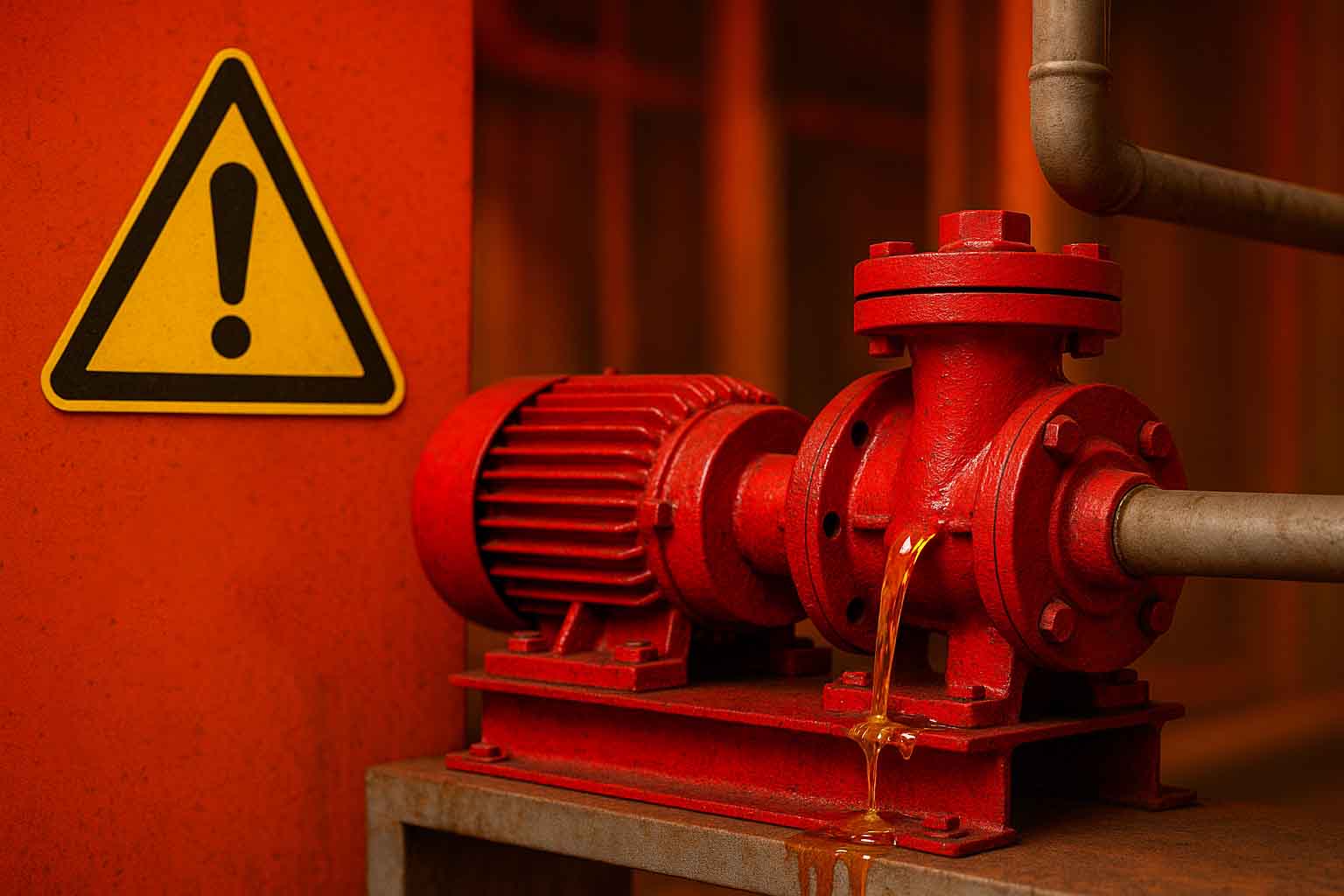
Avoiding lubrication errors in industry: Which causes are really expensive
Lubrication errors are among the typical causes of gradual wear, unstable processes and avoidable downtimes. The problem is that they are often not immediately visible, but only become noticeable through temperature, noise, increased consumption or failure.
In-depth on the topic: Central lubrication maintenance in practice and Maintenance plan for central lubrication systems. These contributions complement the system decision in practice.
Why lubrication errors are rarely isolated errors
In industry, lubrication errors are rarely caused by a single incorrect product or a single omission. Several factors usually intertwine: unsuitable medium, weak refill routine, incorrect dosage, unclear responsibilities or a system that does not fit the system.
This is precisely why troubleshooting is difficult without a structured approach. Those who only look at the last malfunction often overlook the process logic behind it and fix symptoms instead of causes.
The most common error patterns
The most common errors include undersupply, oversupply, incorrect choice of lubricant, lack of control of lines and distributors, and the uncritical continuation of manual routines despite increased system complexity. Weak handovers between maintenance and production also play a major role.
In many cases, lubrication is carried out, but not in a quality that matches the timing, load or environment of the system. This is exactly what creates the economically dangerous gray area between apparent function and real wear and tear.
- Undersupply often goes unnoticed for a long time
- Oversupply creates dirt, loss and subsequent costs
- Incorrect choice of lubricant increases both problems
Which measures really help?
The first step is transparency. Lubrication points, medium, dosage quantities, intervals and responsibilities must be clearly described. It can then be checked whether a manual routine is still sufficient or whether central lubrication makes more economic sense.
The second step is standardization. Recurring assets need repeatable lubrication logic. This is exactly where lubrication pumps, progressive lubrication or introduction are not theory, but tools to stabilize operations.
The connection between downtime and ROI
Lubrication errors cause costs not only through direct damage. They extend service times, tie up specialist staff, make troubleshooting more difficult and worsen OEE. Therefore, from a business perspective, they are often much more relevant than individual spare part prices would suggest.
Reducing lubrication errors improves availability, maintainability and production planning. This is the reason why good lubrication technology in Germany is not only seen as a maintenance issue, but increasingly as a productivity issue.
Practical recommendation
Start with a short fault map: Where do recurring faults occur, which lubrication points are critical and where responsibility is unclear. This overview is the best basis for technical and economic decisions.
From an SEO perspective, the topic is ideal because it leads directly to central lubrication, lubrication pumps, comparison sites and industry solutions. This creates a content node with real commercial connectivity.
← Back to the blog