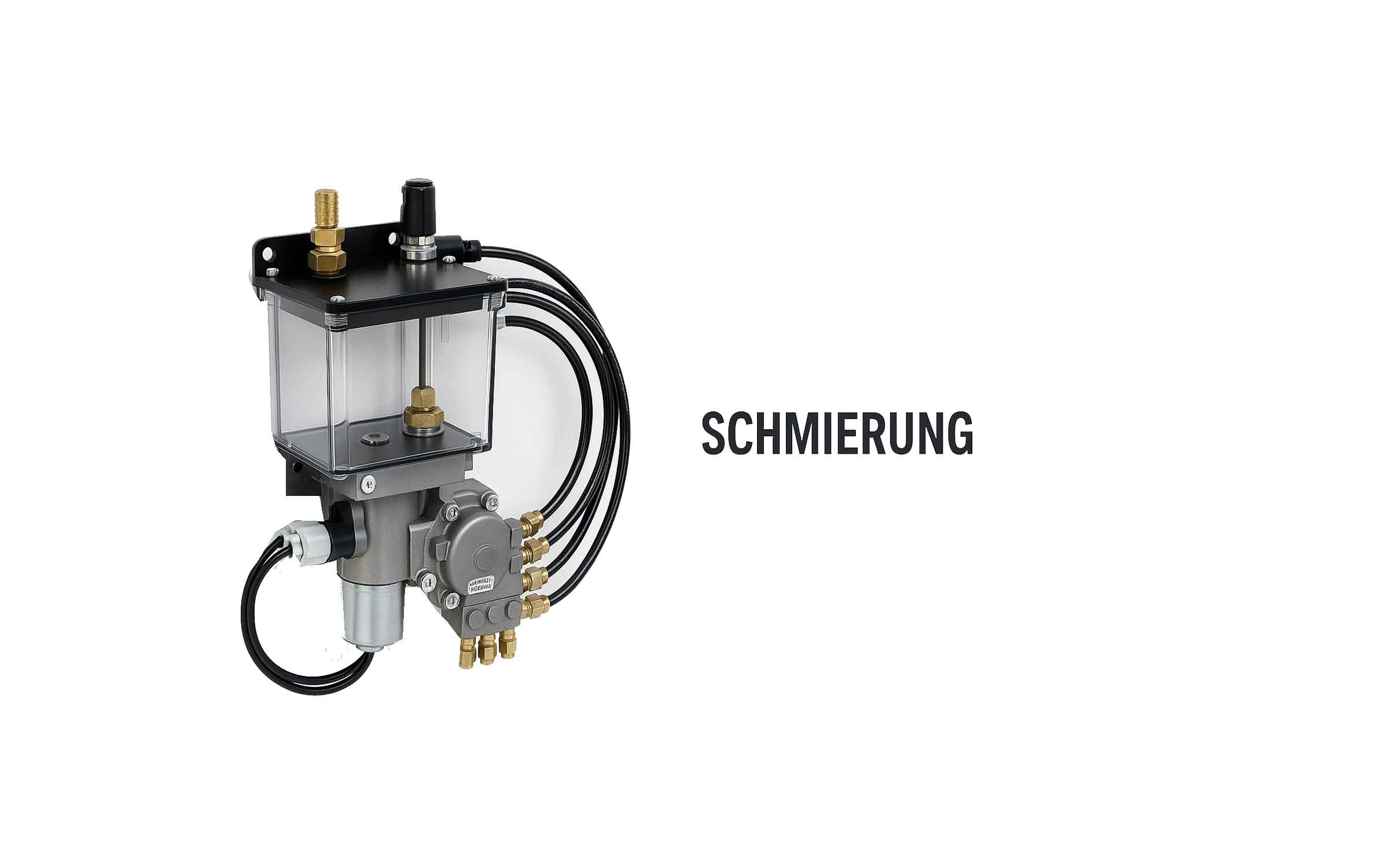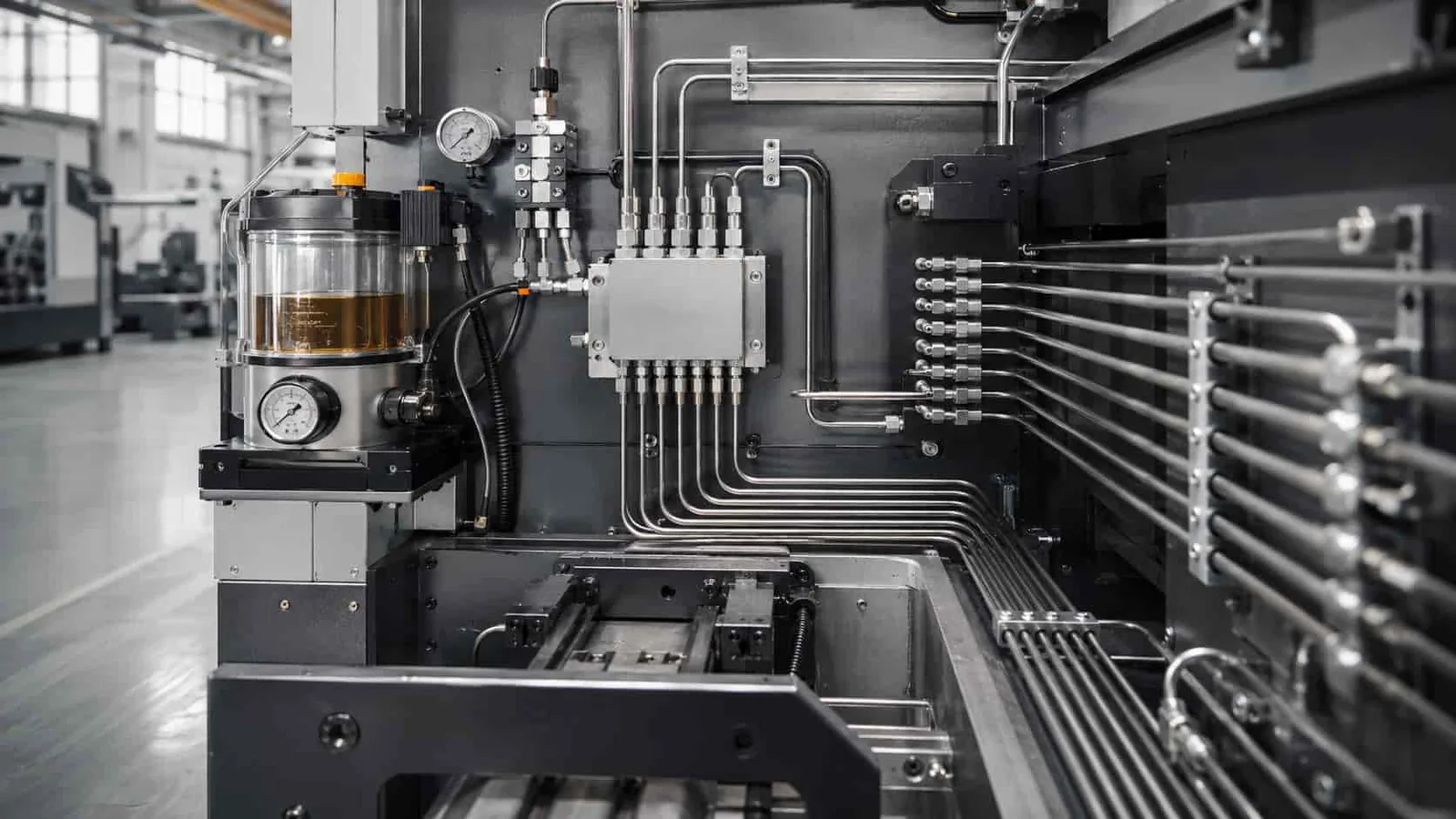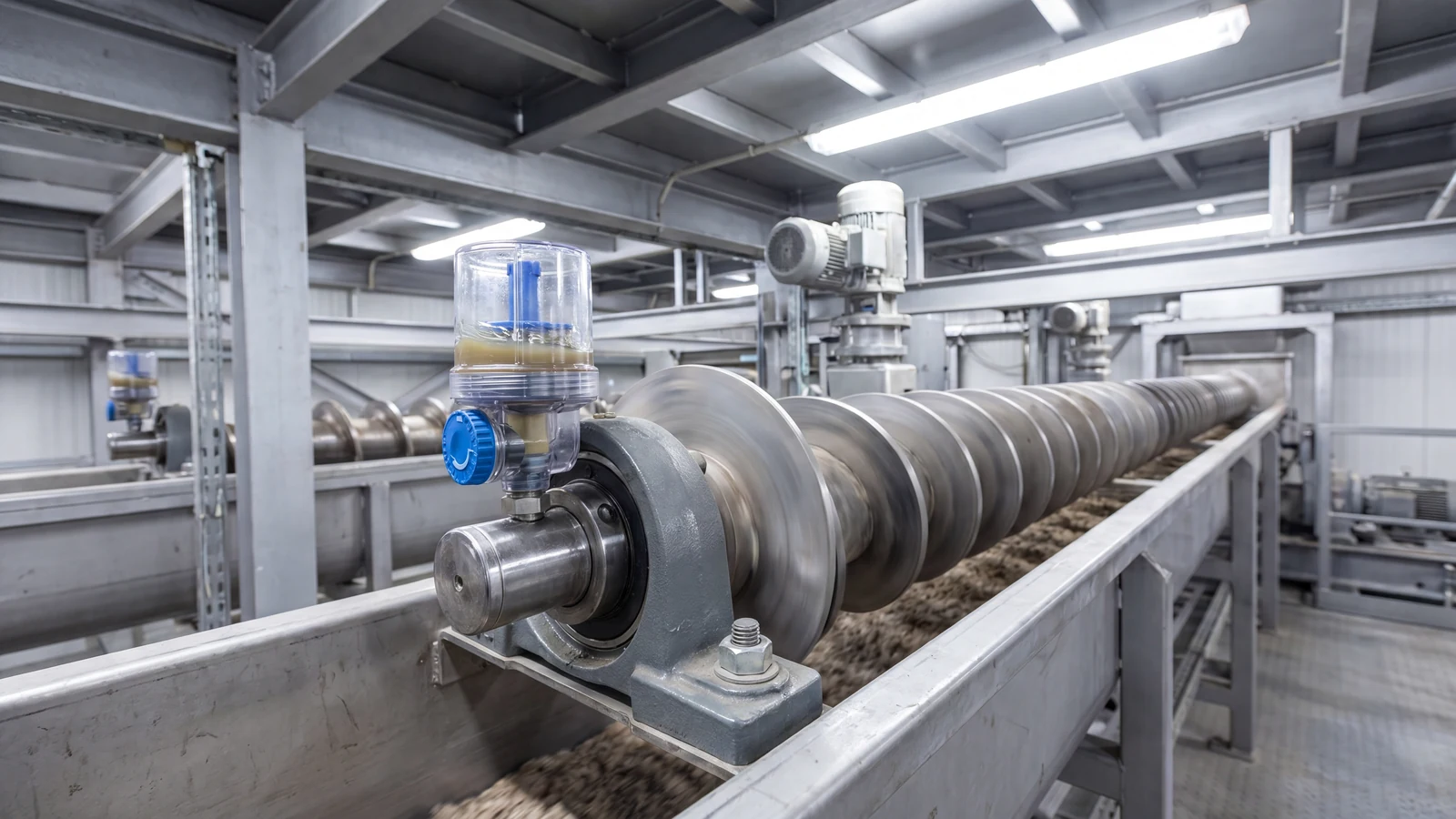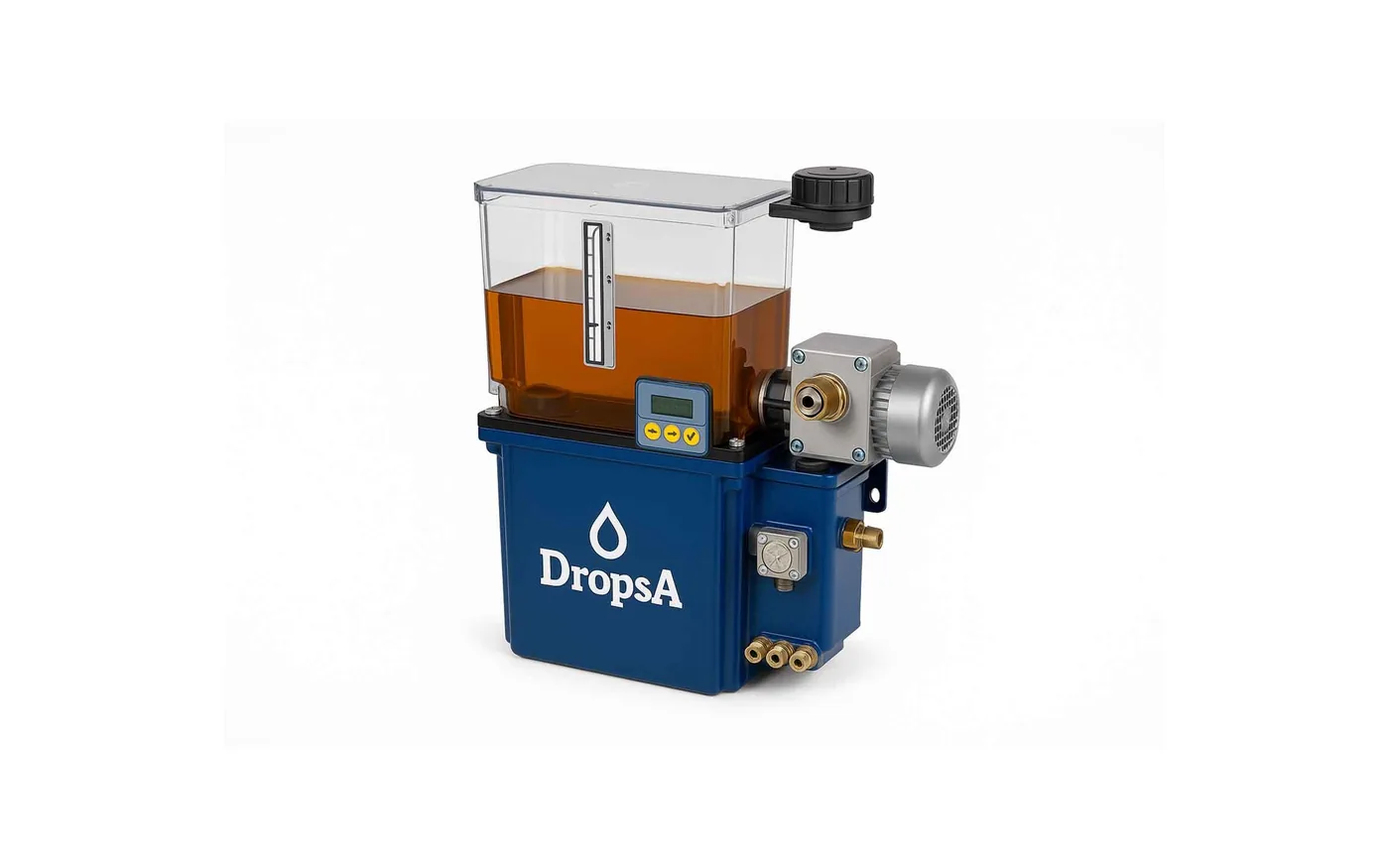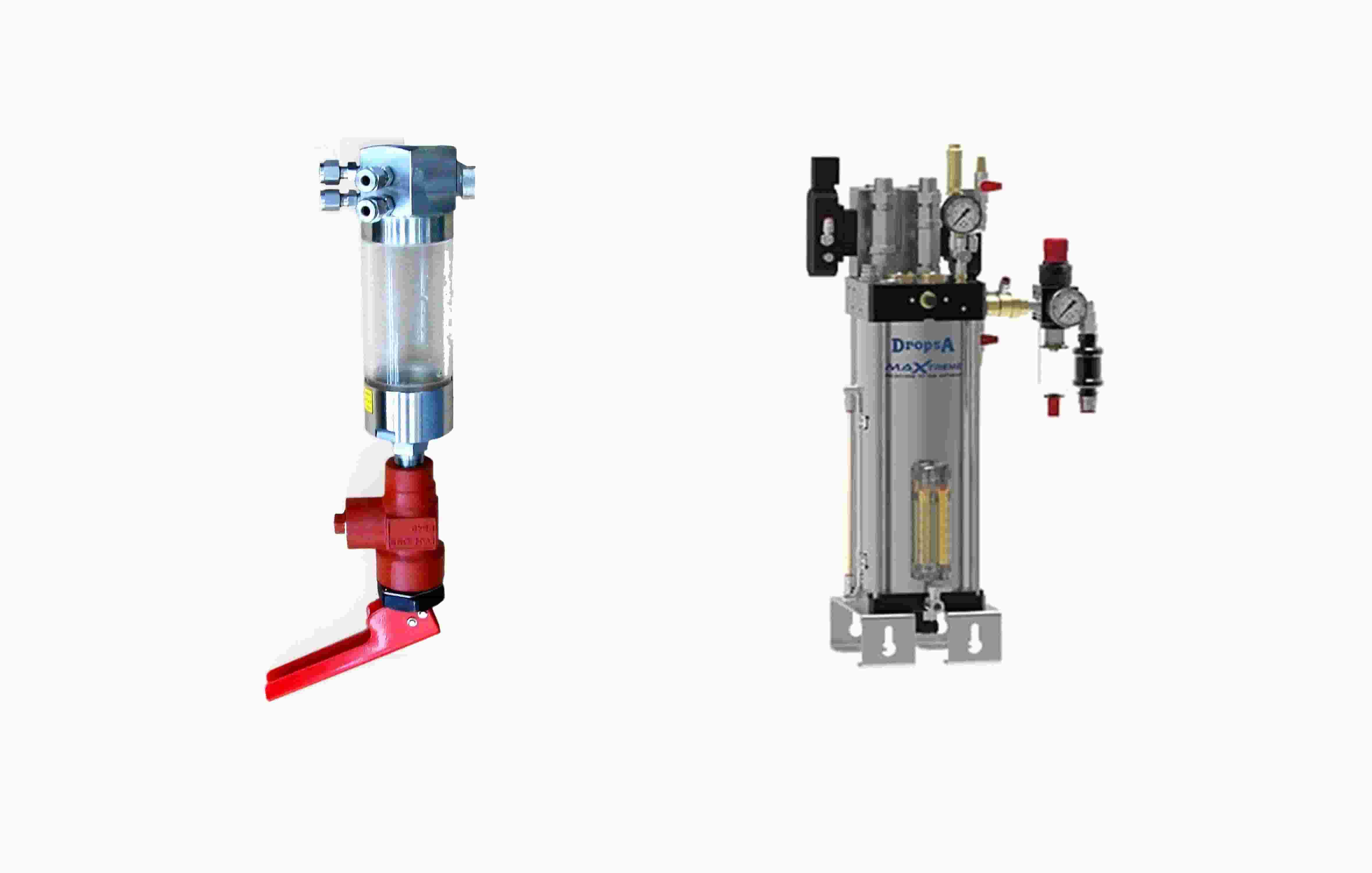
MMS doses very small oil volumes precisely – cleanly and efficiently. Oil mist systems Nebulize oil finely and distribute it over a larger area. Which solution is right depends on the process, cleanliness and target values.
Working principle
- MMS: Oil is delivered in minimal quantities with air (oil-air), directly to the cutting/contact zone.
- Oil mist: Oil is atomized and led to larger areas via pipes/ducts.
Areas of application
- MMS: Machine tools, clean environments, precise spots, little rework/cleaning.
- Oil mist: large/sensitive areas when light film is desired.
Advantages & Disadvantages
- MMS advantages: very low consumption, clean processes, exact dosage.
- MMS limits: not ideal for very open/wide areas.
- Oil mist benefits: even surface wetting, easy distribution.
- Oil mist limits: more oil in the area, more cleaning effort possible.
Media & sizing
- Oil selection based on viscosity/temperature and process (H1 optional).
- Ensure air quality & pressure stability.
- Sensors/monitoring: flow/pressures at a glance.
Products: MMS · Oil mist systems · Basics: Central lubrication · Advice