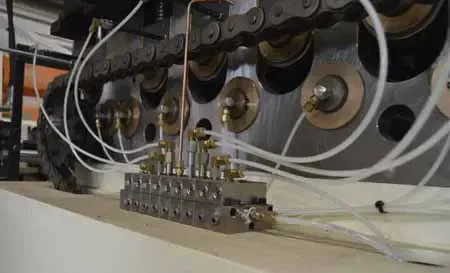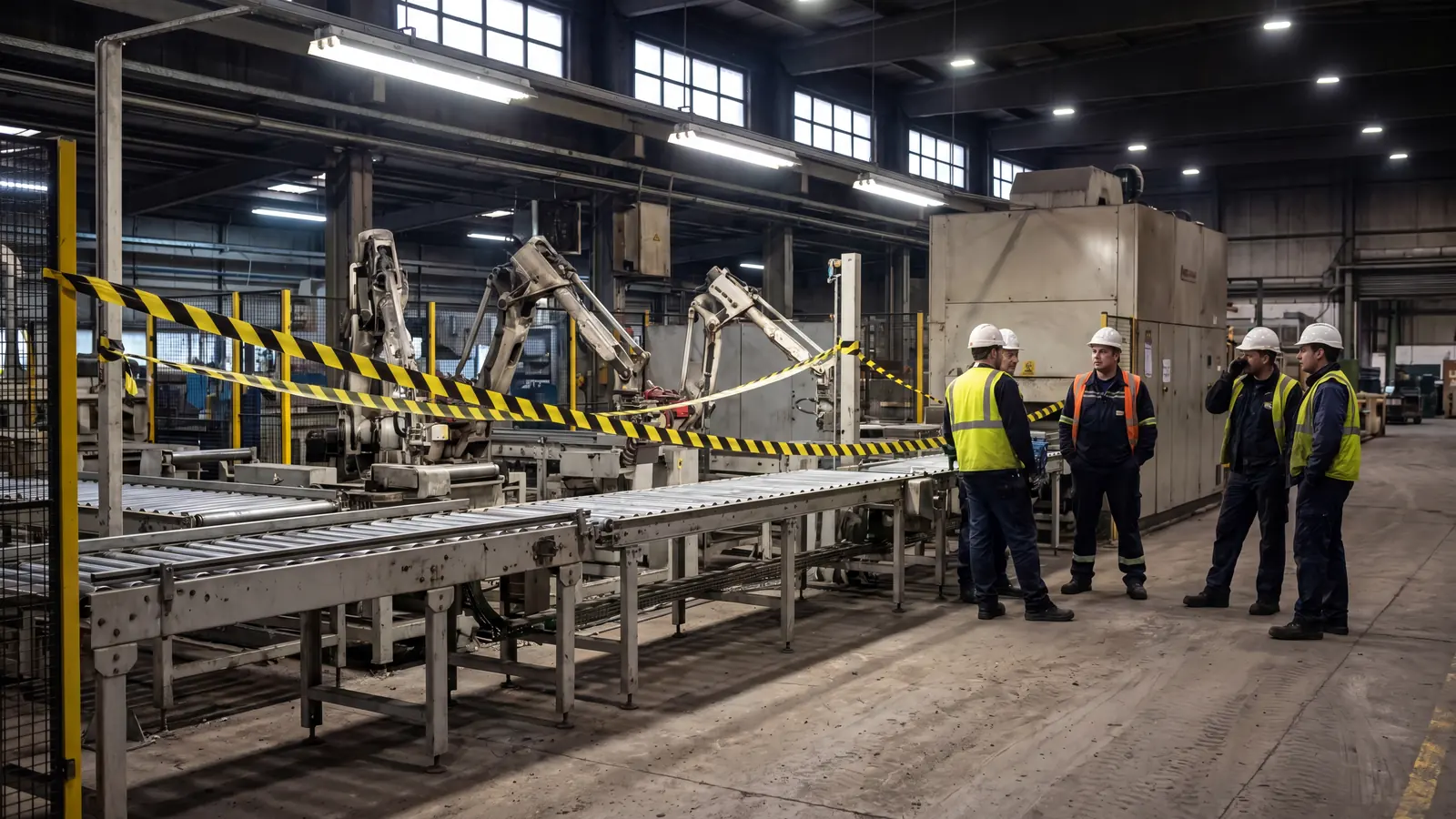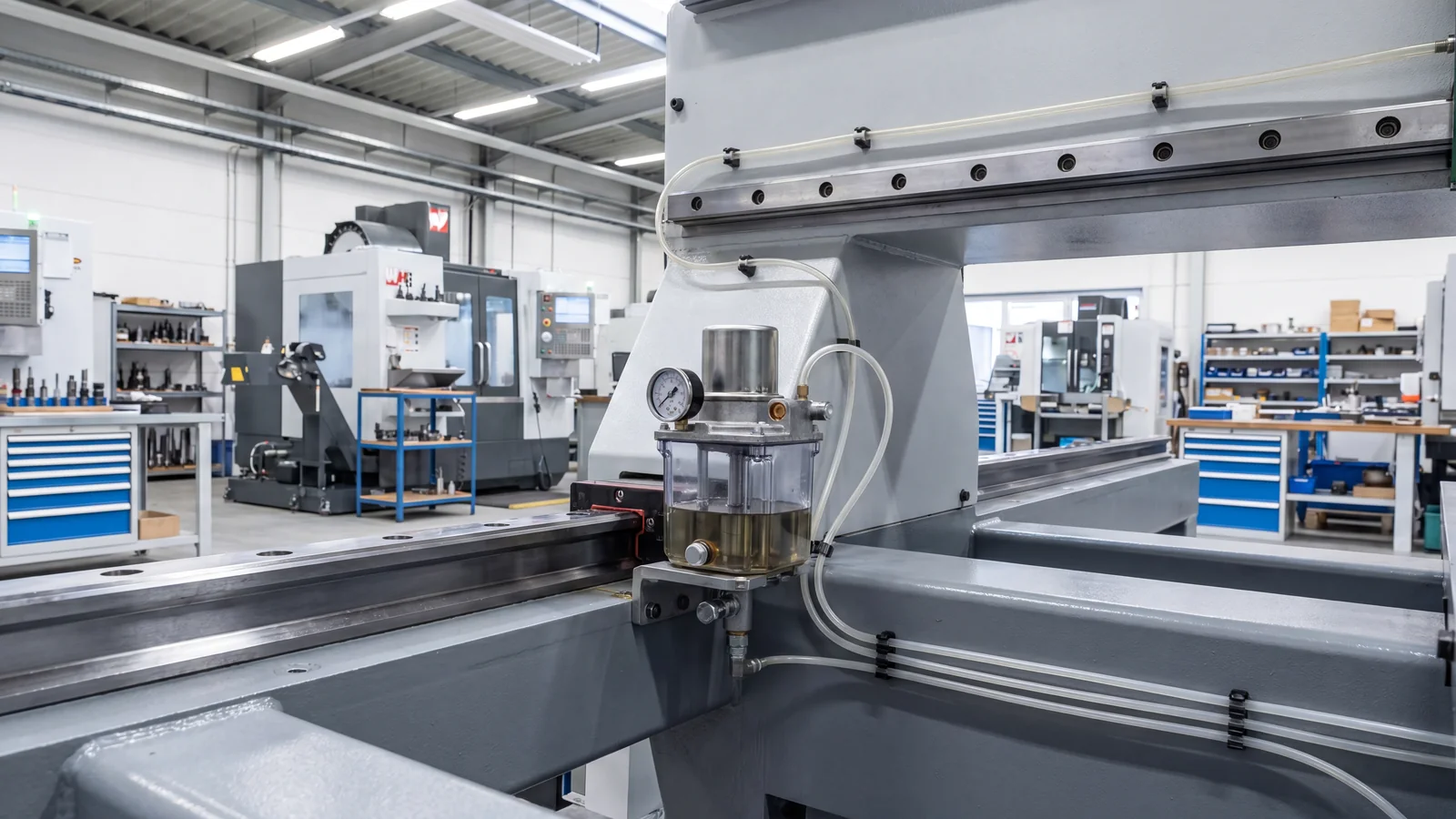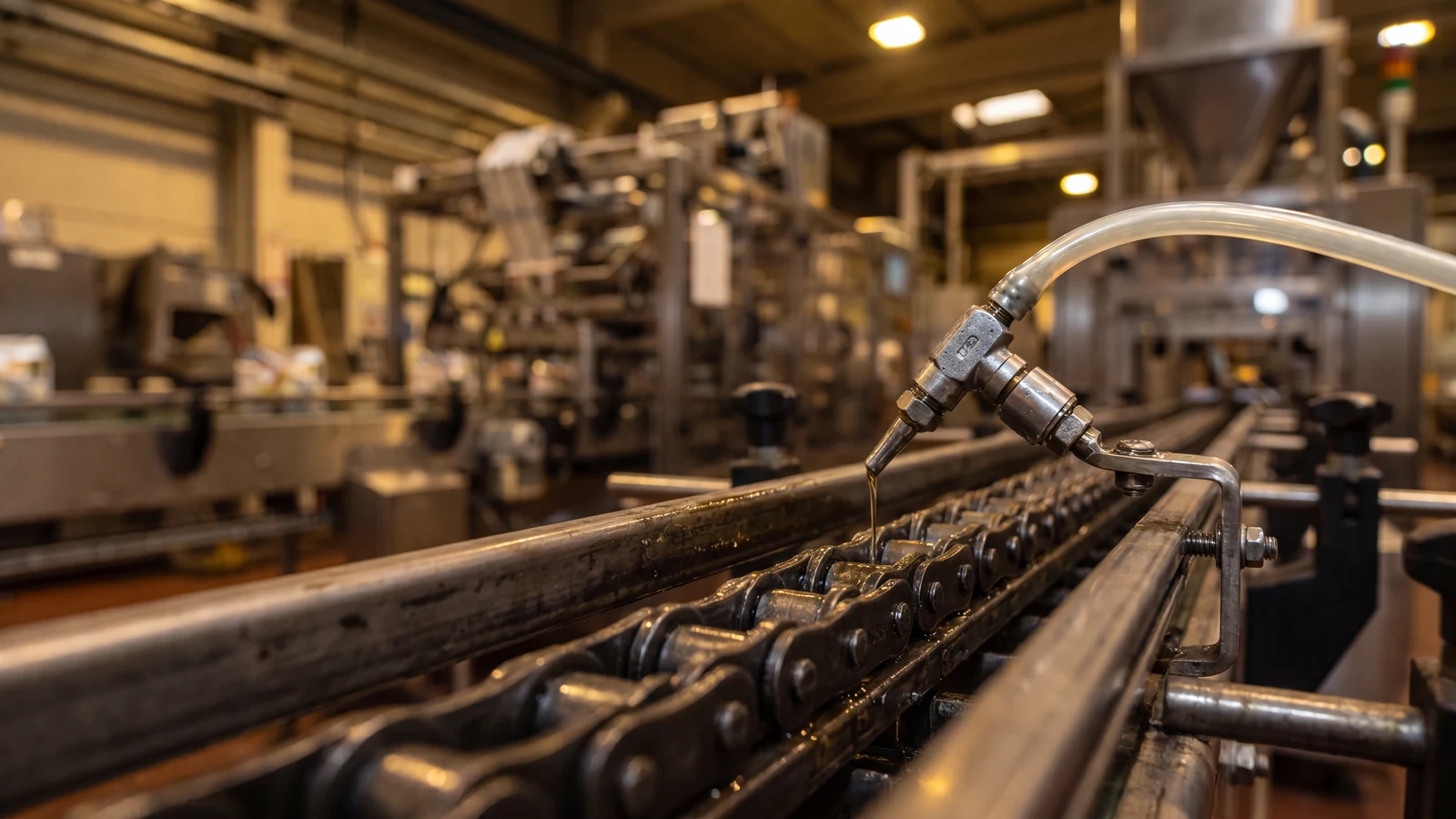
Searches for automatic chain lubrication are usually tied to real production pain: inconsistent dosing, dirty chains, hard-to-reach lubrication points and downtime driven by wear. In packaging and conveyor environments, the topic sits very close to budget, reliability and maintenance planning.
Relevant next pages: Chains & conveyors, Automatic lubrication and Service & spare parts.
Why packaging lines care so much about this topic
Current competitors position automatic lubrication for conveyors and chains as both an uptime and safety issue. That makes sense: the harder a lubrication point is to access and the higher the production rate, the more expensive manual intervals, over-lubrication or under-lubrication become.
What a good solution has to achieve
A good system does more than apply lubricant. It must deliver the right amount at the right location and at a repeatable time while keeping the process clean. In packaging applications, cleanliness, access and lubricant control often matter as much as wear reduction.
- Targeted metering instead of uncontrolled over-lubrication
- Cleaner chains and lower risk of product contamination
- More predictable maintenance on difficult-to-access assets
In many cases oil is preferred over grease because it can be applied more precisely. In others, contact systems, brushes or central feed concepts are more robust. The right choice always depends on chain type, speed, environment and cleaning regime.
Spray, contact or central feed
There is no universal method. Contact lubrication can be strong where exact point application matters most. Spray or mist concepts can work better where fine distribution or difficult access dominates. In other cases, a central feed approach with defined intervals is the most stable operating model.
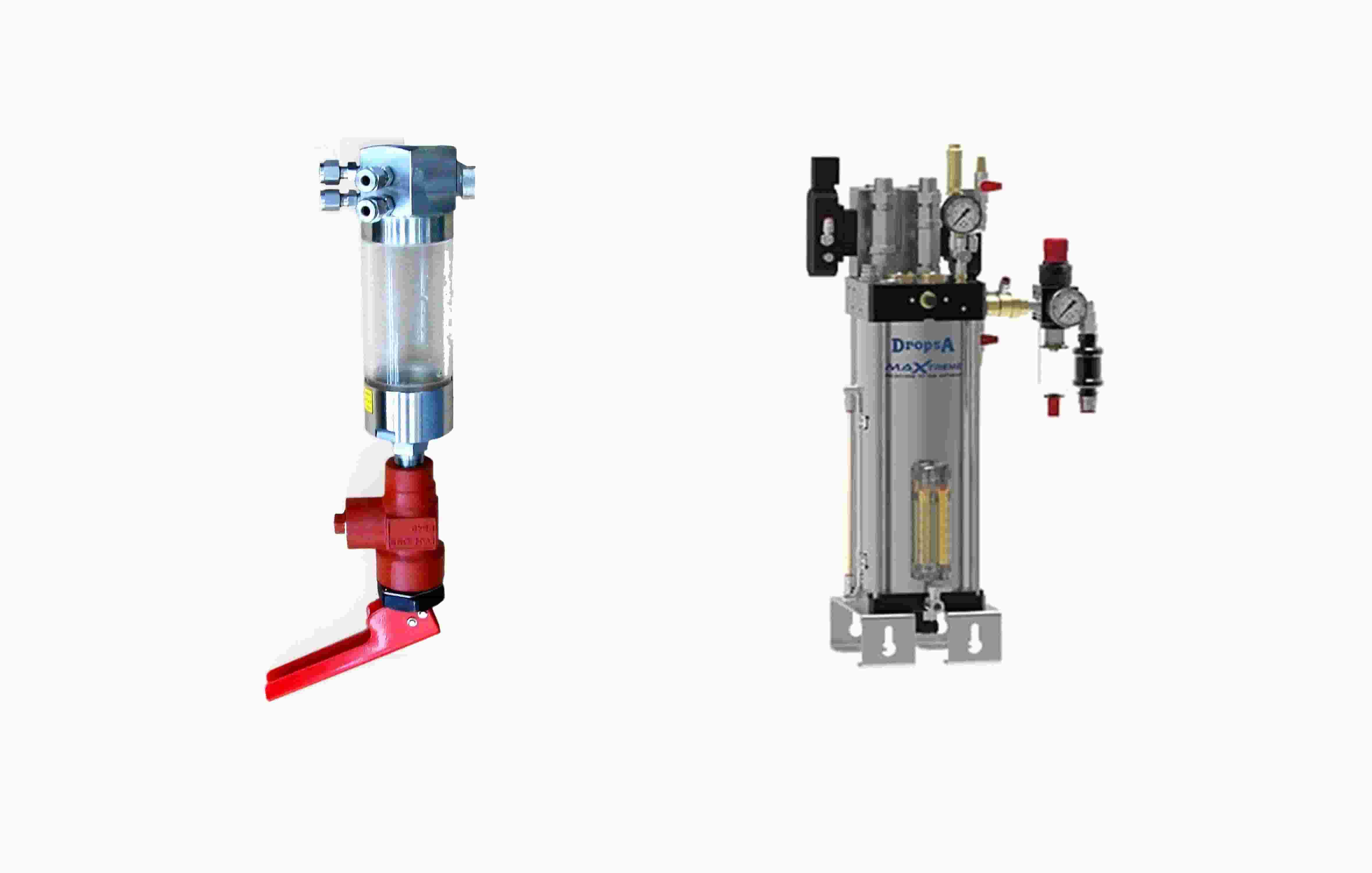
On the DropsA side, the topic naturally connects with oil mist, MMS and suitable pumps. Operators usually care less about terminology than about uptime, cleanliness and repeatable lubrication quality.
What typically triggers a project request
The most common triggers are chain elongation, inconsistent running, cleaning effort and the realization that manual lubrication consumes too much maintenance time. In packaging lines, hygiene and product cleanliness raise the stakes even further. At that point, lubrication becomes an optimisation project rather than a small maintenance task.