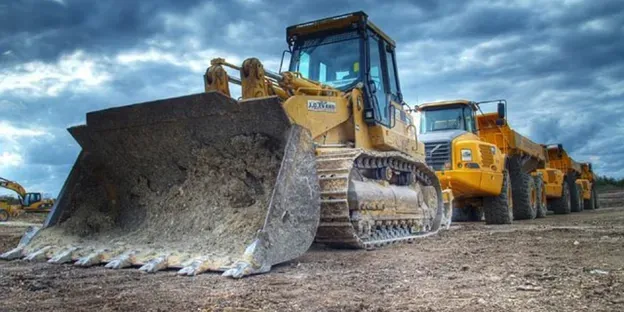
Lubrication in construction machinery: typical problems and how they are solved in practice
Construction machines place particularly tough demands on lubrication. Dirt, shock loads, temperature changes and changing operating times quickly turn a seemingly simple lubrication issue into an availability problem.
In-depth on the topic: more about system selection: lubrication truck maintenance planning and h1 lubricants guide food in practice. These contributions complement the system decision in practice.
Why construction machinery is its own lubrication cluster
In contrast to many stationary systems, lubrication in construction machinery is strongly influenced by the environment and operating reality. Joints, bolts and bearings work under dirt, impact and high loads. At the same time, day-to-day service is often tight.
This is precisely why standard industry assumptions are rarely sufficient here. The lubrication must not only function technically, but also remain stable and maintainable under construction site conditions.
The most common problem areas
Typical features include irregular manual lubrication, damaged lines, difficult refilling and little transparency as to whether all lubrication points are actually being supplied. In addition, the load on individual points is often underestimated.
When these problems come together, gradual wear and tear and avoidable repairs occur. Especially in fleets, this quickly becomes recurring costs instead of individual exceptional cases.
- Protect cable routing against abrasion and impact
- Make filling easy and quick to control
- Prioritize critical hinge and bolt points
Which solutions have proven successful?
The combination of a grease pump and progressive lubrication is particularly practical in many projects. It combines robust grease lubrication with a comprehensible distribution structure and is easy to control in a mobile environment.
A maintenance concept that fits into the actual daily routine is just as important. A solution that only works ideally rarely remains stable on the construction site in the long term.
What fleets and workshops should consider
Standardization counts for fleets. If several machines are built according to the same lubrication logic, the variety of spare parts, training effort and the likelihood of errors are reduced. Workshops also benefit from clearer routines for checking and filling.
From a commercial perspective, this is important because the actual savings often do not come from a single repair, but from the sum of avoided routine problems.
Practical recommendation
Describe the most critical points of each machine and check whether their supply is really secured in everyday life. This usually shows very quickly whether an automatic solution is economically overdue.
This article is valuable for the Authority Graph because it opens direct paths to central lubrication in construction machinery, grease pumps, progressive lubrication and comparison pages.
← Back to the blog