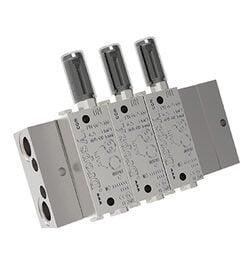
Introduction vs dual-line: This makes the system choice technically and economically clean
The decision between single-line and dual-line often seems like a purely system question. In practice, it is closely linked to network size, medium, maintenance pattern and the economic goal of the project.
In-depth on the topic: Basics of central lubrication systems and more about system selection for progressive distributors. These contributions complement the system decision in practice.
Why this comparison is close to purchase
Anyone who weighs up single-line and dual-line systems usually already has a specific system in mind. It is then no longer about general basic knowledge, but rather about the question of which system in the real network is more stable, more economical and easier to maintain.
This is precisely why the comparison should not remain abstract. The decisive factors are line lengths, number of lubrication points, medium, dosing character and the question of how transparently operation can be monitored later.
When introduction shows its strength
Introduction is strong when defined amounts of lubricant are to be delivered at clearly described points. This is typical for oil-related applications, guides, chains or smaller machine concepts with cleanly structured lubrication logic.
The system benefits from the fact that dosing and lubrication point guidance can be set up precisely. However, the prerequisite is that the medium, timing and dosing task really fit this structure.
When dual-line can be superior
Dual line becomes more powerful when the lubrication network becomes large, many lubrication points have to be supplied or long line routes put a strain on the system. In such cases it is less about maximum compactness than about reserve, stability and industrial robustness.
Particularly in large systems, it is often more economical to rely on the appropriate network logic right from the start, rather than forcing a system that is too small to perform a task for which it was not built with additional effort.
- Introduction for defined single point dosing
- Dual line for large networks and many lubrication points
- Always base your system choice on the network image and medium
Errors that lead to additional costs later
One of the most common mistakes is choosing a system out of habit. If an introduction has worked in the past, it is carried over to new cases, even though the network size and requirements have long since changed. Conversely, dual-line is sometimes chosen even though the project could actually be solved in a more compact and precise manner.
In addition, there is often weak coordination between technology, maintenance and purchasing. Then the right system is not chosen, but rather the one that appears to be the simplest on offer. The follow-up costs only become visible during ongoing operations.
Recommendation for the project decision
First document the number of lubrication points, line lengths, medium and maintenance requirements. The decision between single-line and dual-line can then be made much more clearly. This makes the comparison comprehensible and easier to argue internally.
From an SEO and sales perspective, this comparison is particularly valuable because it opens the way from an information-driven search query directly to the appropriate system pages and money pages. This is exactly what creates a strong authority graph.
← Back to the blog