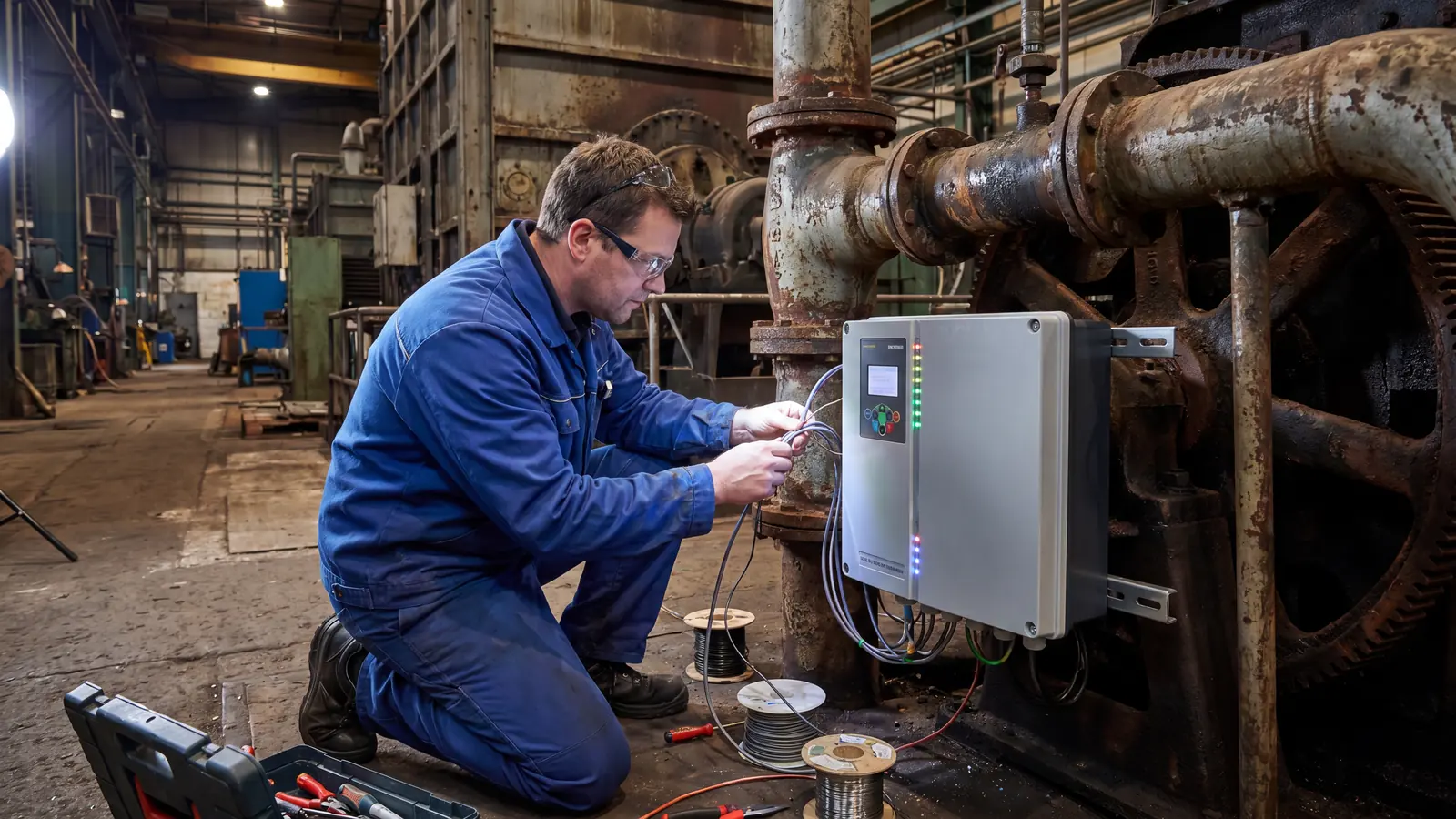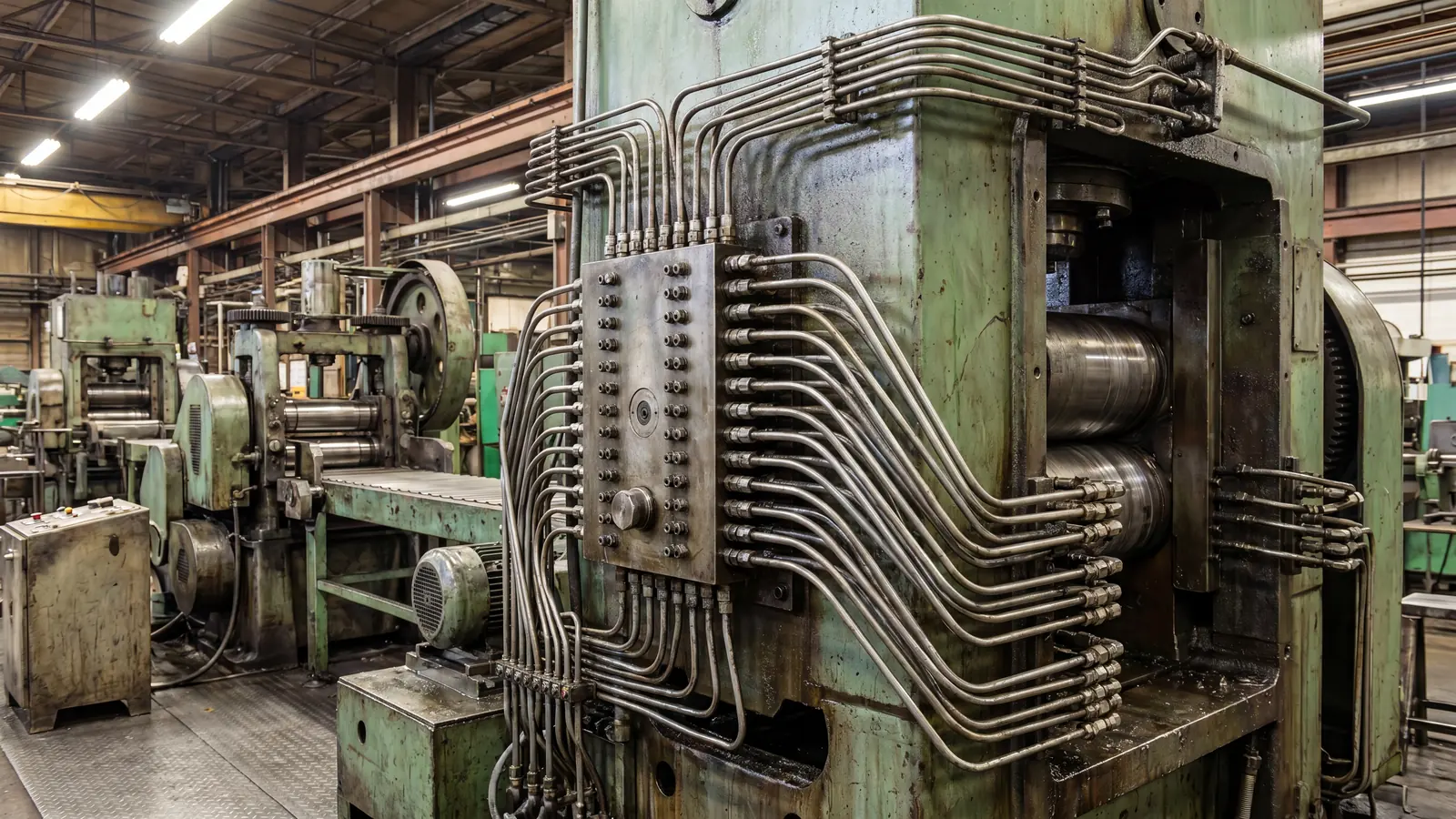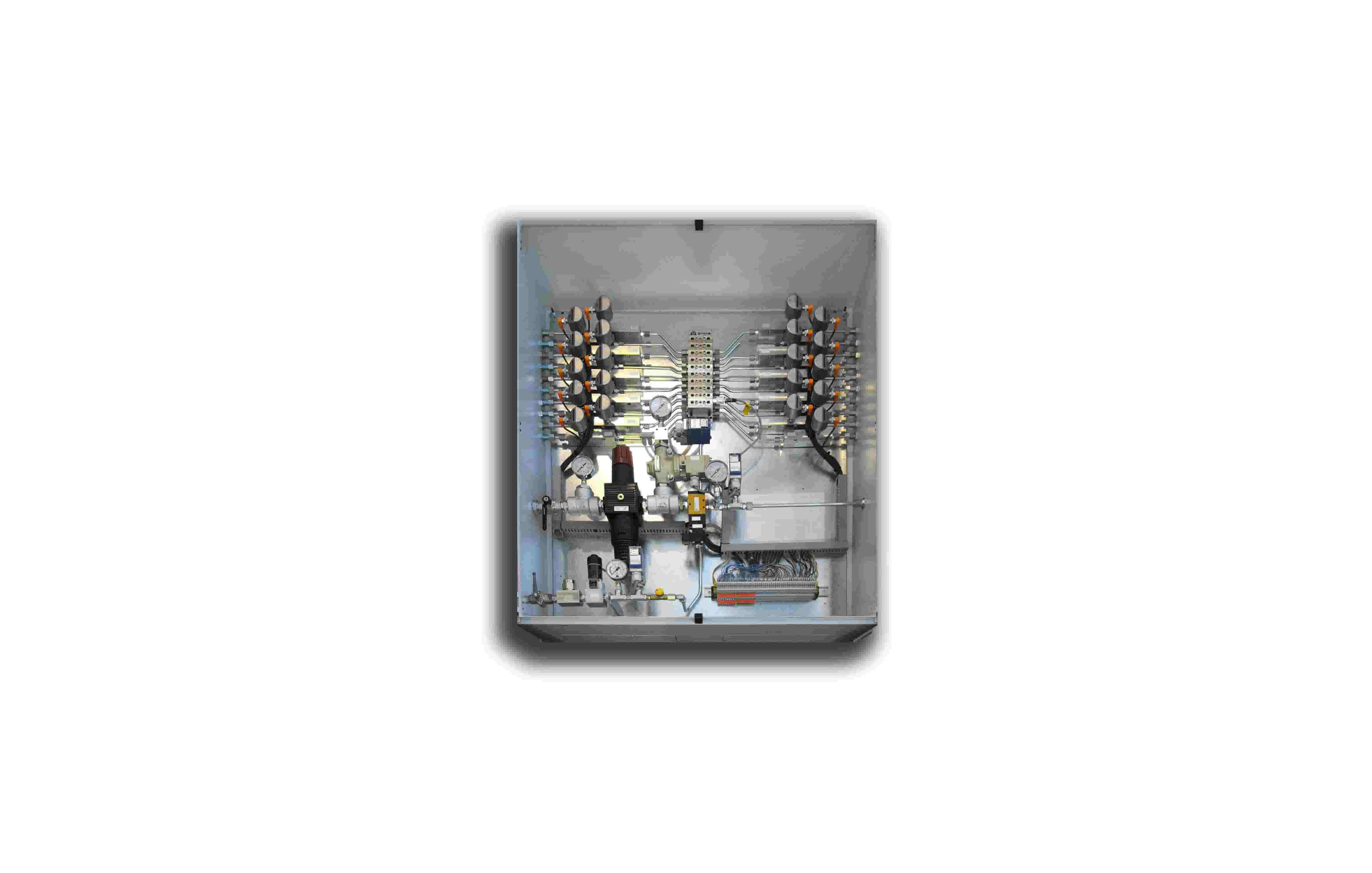
Searches for lubrication spare parts are usually highly commercial. When users search for SKF, Lincoln or BEKA together with pumps, distributors or sensors, they are rarely looking for general education. They need quick identification, clear technical orientation and a reliable route to the right replacement or retrofit path.
Directly relevant pages: Spare parts & retrofits, DropsA spare parts and Pumps overview.
Current search results are dominated not only by manufacturers, but by specialised shops and service providers speaking in the language of spare parts, troubleshooting and retrofit. That is a strong signal of buyer intent: the market is searching for availability, identification help and better long-term options for ageing systems.
Which components are searched most often
Most requests cluster around three groups: pumps, distributors and sensor technology. Pumps must match the lubricant, pressure level and line network. Distributors must match the system architecture and metering logic. Sensors and controls often determine whether a fault is caught early or only after downtime has already started.
- Pumps and pump elements for oil, grease and fluid grease
- Progressive and dual-line distributors with the right outlet logic
- Pressure, cycle, flow and level monitoring components
On installed systems, a part number alone is often not enough. Photos, installation context and system type usually speed up the process more than incomplete codes do.
Replacement part, functional substitute or retrofit
Not every request should end in a like-for-like replacement. If legacy parts keep failing, are difficult to source or provide poor monitoring, the spare-parts discussion quickly becomes a retrofit decision. Then the goal is not only to restart the machine today, but to reduce recurring failures tomorrow.
That is why pages such as progressive distributors, sensor technology and current pump ranges matter in the conversion path. A well-scoped retrofit can lower service effort and improve system visibility in operation.
How requests get qualified faster
The fastest route to the right outcome is a request with enough technical context: nameplate, photos, medium, approximate year, fault description and whether the system is single-line, progressive or dual-line. That helps separate a missing part from a deeper system issue.