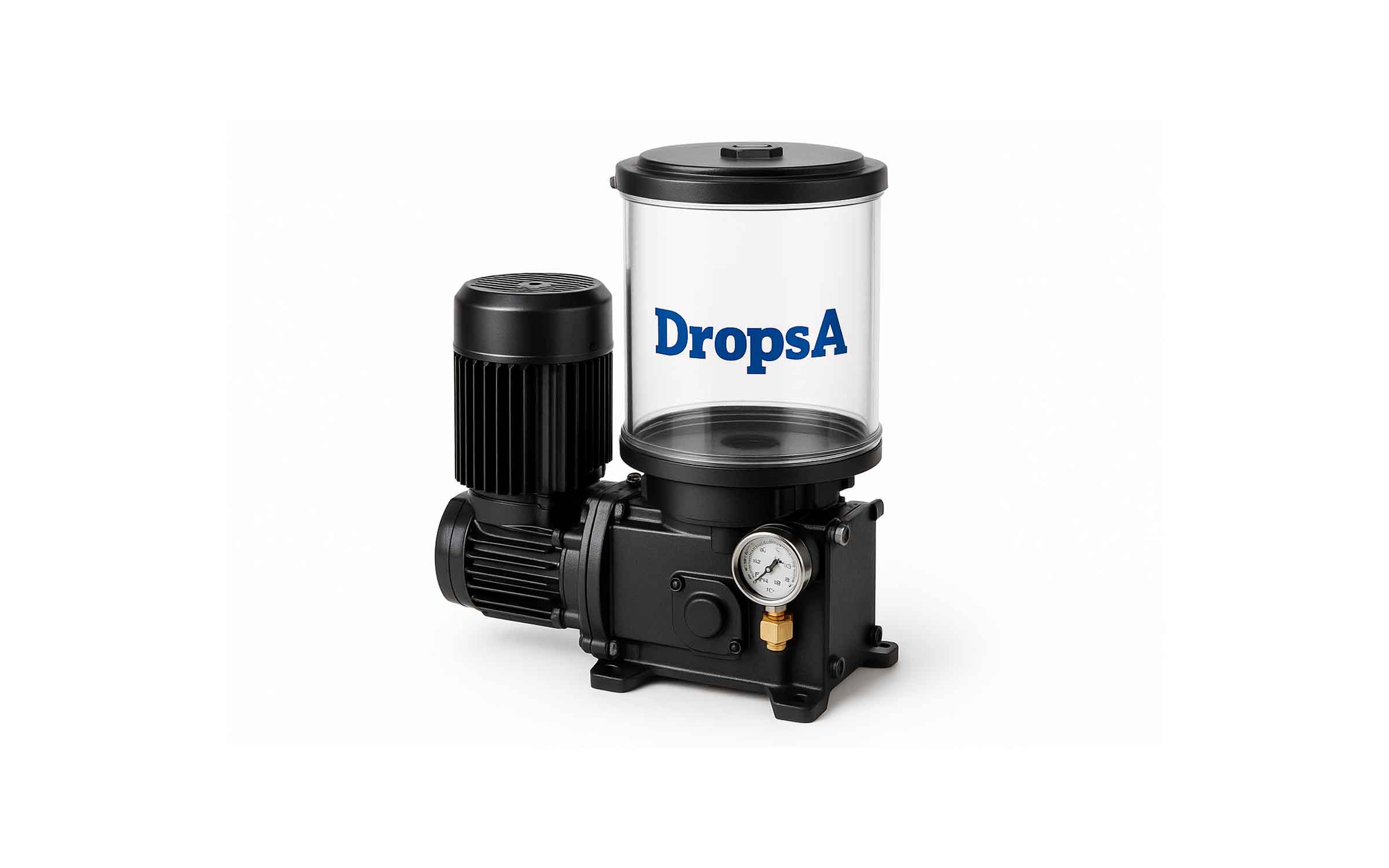
Comparing lubrication pumps correctly: From the generic term to a reliable project decision
Lubrication pumps is a broad search term, but in practice it is very close to purchase. There is usually already a specific project behind it that needs to be neatly organized between medium, system type and application.
In-depth on the topic: Select the appropriate grease pump and Oil pump for industrial plants. These contributions complement the system decision in practice.
Why the generic term is still valuable
Lubrication Pumps brings together many projects that do not yet clearly differentiate between grease pumps, oil pumps or a specific system logic. That's exactly why the term is technically broad, but economically very close to an inquiry.
This is ideal for website structure and sales logic because products, systems and industries can be organized from here.
Which axes count for the comparison
The first axis is the medium: fat or oil. The second axis is the system type: single line, progressive or dual line. The third axis is the application: industry, construction machinery, trucks or a specific machine task.
Only this combination creates a reliable selection. The generic term thus becomes the entry page for a clean decision.
- Clarify medium first
- Derive system type from network diagram
- Evaluate the industry and maintenance reality
Error in comparison logic
A common mistake is to reduce lubrication pumps directly to product catalogs. Then the bridge to the system and application and thus the crucial context are missing. It is equally problematic to narrow down a product selection too early.
If, on the other hand, the generic term is used as a structured decision-making area, the website gains clarity and the query gains quality.
What this means for SEO and sales
Lubrication Pumps is one of the strongest hubs in the Authority Graph because information and purchasing intent converge here. Good internal linking to grease pump, oil pump and system pages not only improves UX but also semantic strength.
For sales, this means better qualification, clearer next steps and fewer vague inquiries.
Practical recommendation
Don't use lubrication pumps as a passive category, but rather as an active distribution page in products, systems, comparisons and industry paths.
Content at the blog level also strengthens this role because it collects search intentions early on and continues them in a structured manner in commercial pages.
← Back to the blog