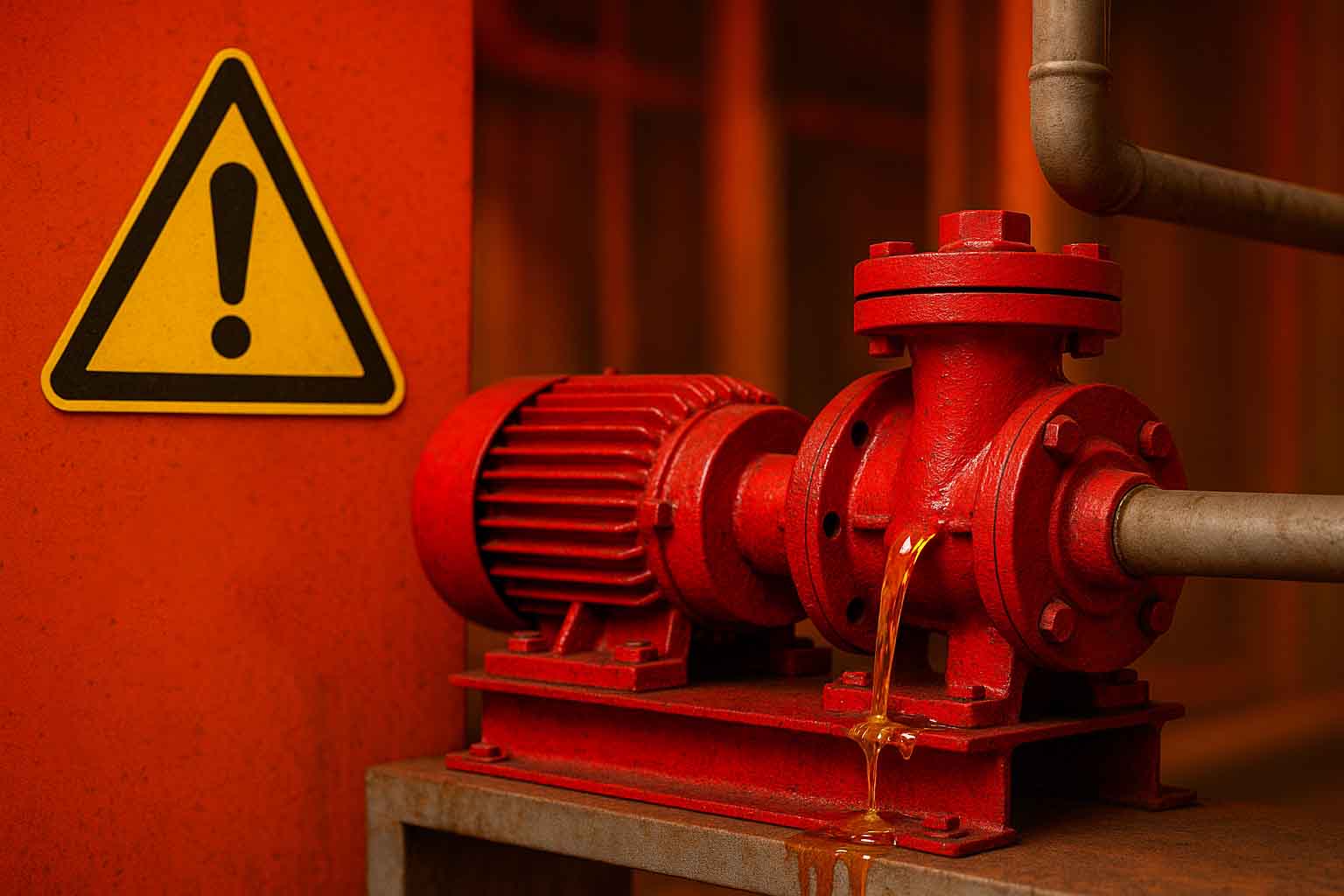
5 common lubrication mistakes
Lubrication is crucial for the lifespan and efficiency of machines. Nevertheless, avoidable errors occur again and again, which lead to additional costs and failures. Here are the five most common ones – including concrete countermeasures.
1) Wrong lubricant
Inappropriate viscosity, additives or NLGI grade lead to increased wear and temperature problems. Important guidelines can also be found in the relevant DIN standards.
2) Too little or too much lubrication
Undersupply creates friction; Oversupply causes leakage, contamination and additional costs.
- How to avoid: Define quantities per lubrication point; Determine dosage as needed.
- Basics of central lubrication →
3) Lack of monitoring
Without sensors, pipe breaks, blockages or air in the system often go undetected.
- How to avoid: Plan for pressure/flow and stroke sensors; Messages to HMI/PLC.
- Control & Monitoring →
4) Manual lubrication without a plan
Irregular intervals and different quantities lead to fluctuating quality and failures.
- How to avoid: Maintenance plan, fixed intervals, documented quantities - or automate.
- Pumps & aggregates →
5) No central lubrication
Manual processes are personnel-dependent and prone to errors. Central lubrication delivers consistently and reproducibly.
- How to avoid: Design the system according to points/line length/medium: single/dual line, progressive, circulating.
- Request free advice →
Conclusion: With correct design, suitable lubricants and monitoring, downtimes can be significantly reduced and costs saved. This also provides information on resource efficiency and sustainability Federal Environment Agency.
← Back to the blog